★★★ A Free Resource for Federal Employees Nationwide ★★★


When Can I Retire From the FERS?
Planning the right moment to retire under the Federal Employees Retirement System (FERS) is one of the most important decisions a federal employee will make—and it’s not always simple. Between Minimum Retirement Age (MRA) rules, service-year requirements, early-out options, and special provisions, understanding when you’re truly eligible to retire can feel overwhelming. FERS Consulting helps federal employees cut through the confusion by providing clear, accurate, and personalized guidance, so you can confidently map out your retirement timeline and make informed decisions about your benefits and financial future.
Consider this
PLANNING AND UNDERSTANDING ARE KEY


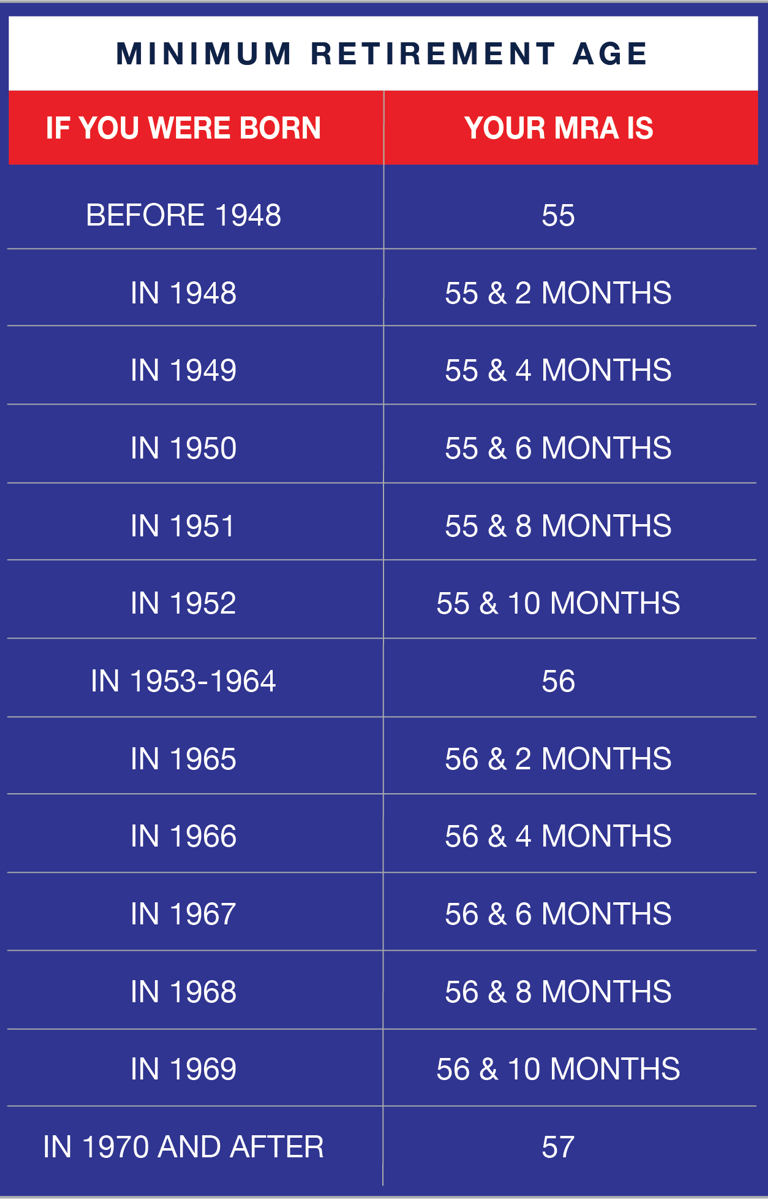
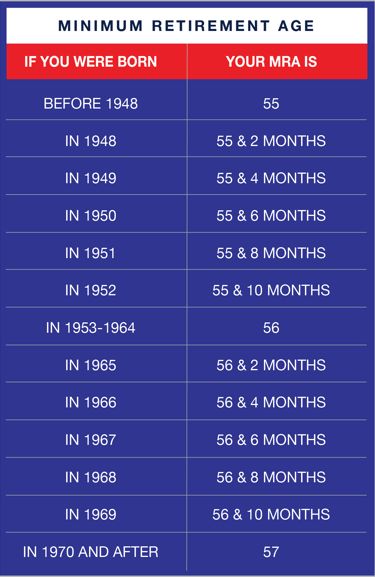
Under the Federal Employees Retirement System (FERS), the eligibility age for retirement varies depending on your birth year and years of service. It's important to note that while you might be eligible for early retirement at a Minimum Retirement Age (MRA), the amount of your annuity will depend on factors like your length of service and highest three years of average salary. Additionally, retiring earlier than your Normal Retirement Age (NRA) may result in a reduction in your annuity. There are five categories of benefits in the Federal Employees Retirement System (FERS) Basic Benefit Plan:
Voluntary/Immediate Retirement
Early Retirement
Deferred Retirement
Disability Retirement
Phased Retirement
Which Retirement Category are You in?
YOUR RETIREMENT ELIGIBILITY DEPENDS ON A MIX OF FACTORS
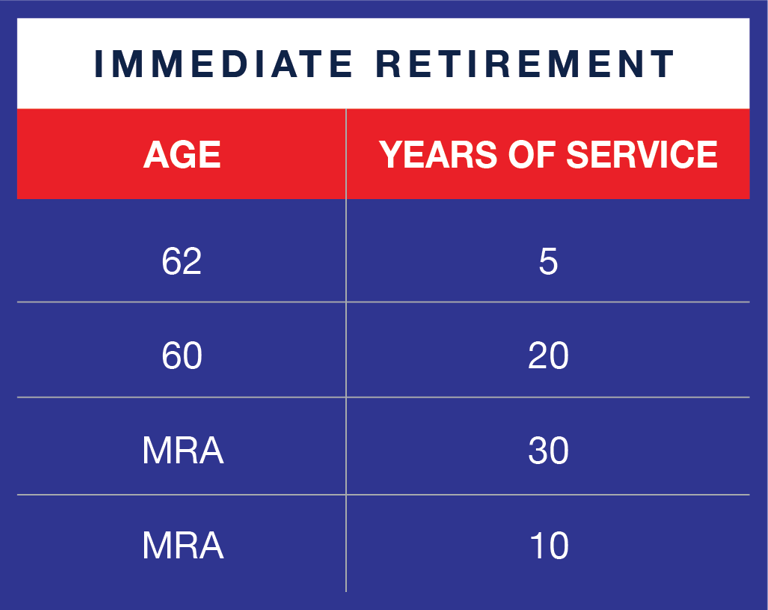
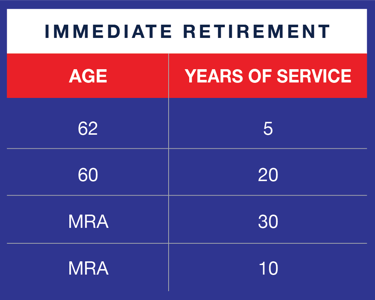
An immediate retirement benefit is one that starts within 30 days from the date you stop working. If you meet one of the sets of age and service requirements on the "IMMEDIATE RETIREMENT" chart, you are entitled to an immediate retirement benefit. If you retire at the MRA with at least 10, but less than 30 years of service, your benefit will be reduced by 5 percent a year for each year you are under 62, unless you have 20 years of service and your benefit starts when you reach age 60 or later.
Voluntary, Immediate Retirement
QUALIFYING FOR IMMEDIATE RETIREMENT
FERS Early Retirement refers to provisions within the Federal Employees Retirement System that allow eligible federal employees to retire before reaching their Minimum Retirement Age (MRA) or before meeting the standard age-and-service combinations—but only under specific circumstances.
Early Retirement
CAN YOU QUALIFY FOR EARLY RETIREMENT?
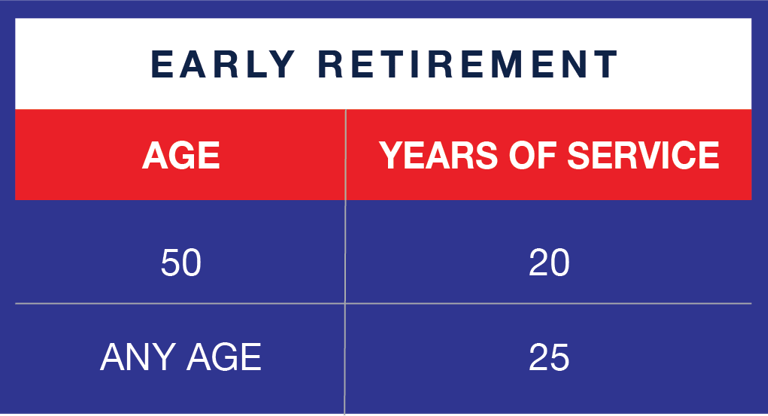
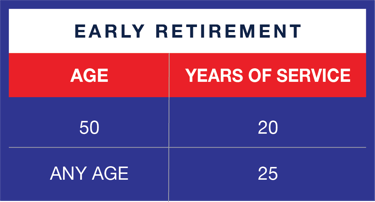
Voluntary Early Retirement Authority (VERA), is offered when an agency is restructuring, downsizing, or undergoing major workforce changes. If your agency opens a VERA window, you may be able to retire early if you meet. Age 50 with at least 20 years of creditable service, or Any age with 25 years of service Employees retiring under VERA also avoid the 5% per-year early-retirement penalty.
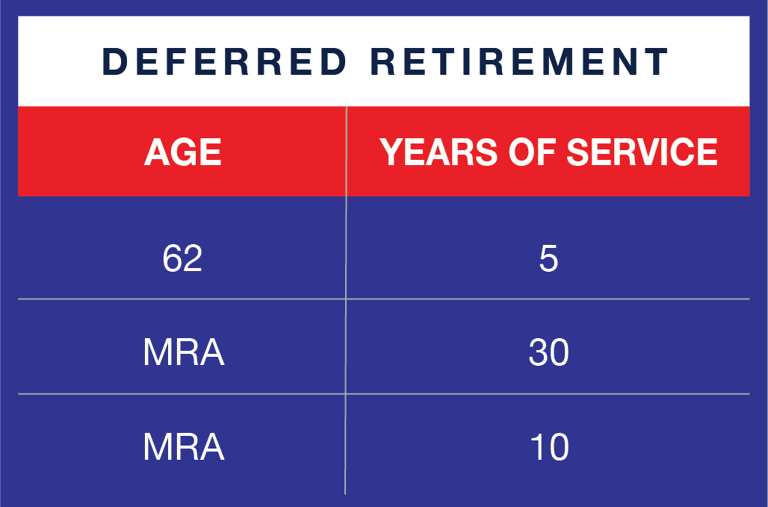
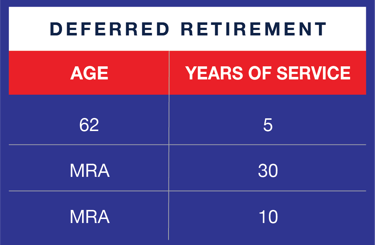
Deferred refers to delayed payment of benefit until certain criteria are met. For example, if you leave Federal service before you meet the age and service requirements for an immediate retirement benefit, you may be eligible for deferred retirement benefits. To be eligible, you must have completed at least 5 years of creditable civilian service. You may receive benefits when you reach one of the required ages on the "DEFERRED RETIREMENT" chart. If you retire at the MRA with at least 10, but less than 30 years of service, your benefit will be reduced by 5 percent a year for each year you are under 62, unless you have 20 years of service and your benefit starts when you reach age 60 or later.
Deferred Retirement
ENOUGH SERVICE TO CLAIM A PENSION LATER
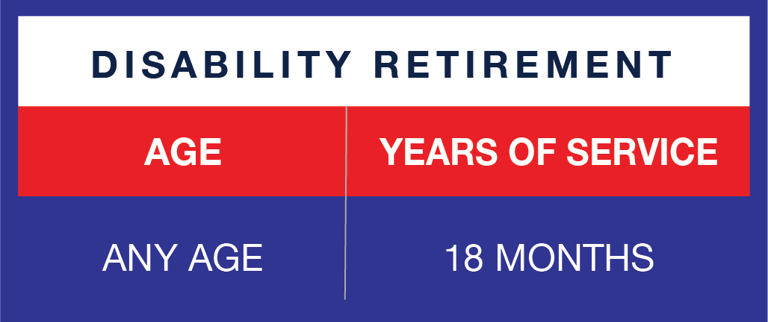
You must have have at least 18 months of service and become disabled, while employed in a position subject to FERS, because of a disease or injury, for useful and efficient service in your current position. The disability must be expected to last at least one year. Your agency must certify that it is unable to accommodate your disabling medical condition in your present position and that it has considered you for any vacant position in the same agency at the same grade/pay level, within the same commuting area, for which you are qualified for reassignment.
Disability Retirement
WHEN A MEDICAL CONDITION PREVENTS YOU FROM DOING YOUR JOB
Phased Retirement allows full-time employees to work part-time schedules while beginning to draw retirement benefits. This will allow managers to better provide training opportunities for new employees from highly experienced employees that are transitioning to full retirement.
In Phased Retirement you will continue to accrue "Years of Service", although the maximum time allowed is currently 6 months. On average, employees enrolled in Phased Retirement work around 20 hours per week. Once your Phased Retirement period ends and you enter full retirement, your Years of Service and cost of living adjustments will be applied, your monthly benefit is then adjusted to reflect the additional time working. For a more in-depth discussion of Phase retirement, see our article, "What is Phased Retirement?"
Phased Retirement
ENOUGH SERVICE TO CLAIM A PENSION LATER


Contact Us


Have questions about your federal retirement? We’re here to help. Fill out the form below and a licensed FERS specialist will reach out with clear, personalized guidance tailored to your service, benefits, and retirement goals. Your path to confident retirement planning starts here.
CONSULTATIONS ARE FREE
Personalized guidance for federal retirement benefits.
© 2022-2026. All rights reserved. | Privacy


CONTACT
HEADQUARTERS
LEGAL
New Smyrna Beach, FL
FERS Consulting is not affiliated or endorsed by the Federal Government.